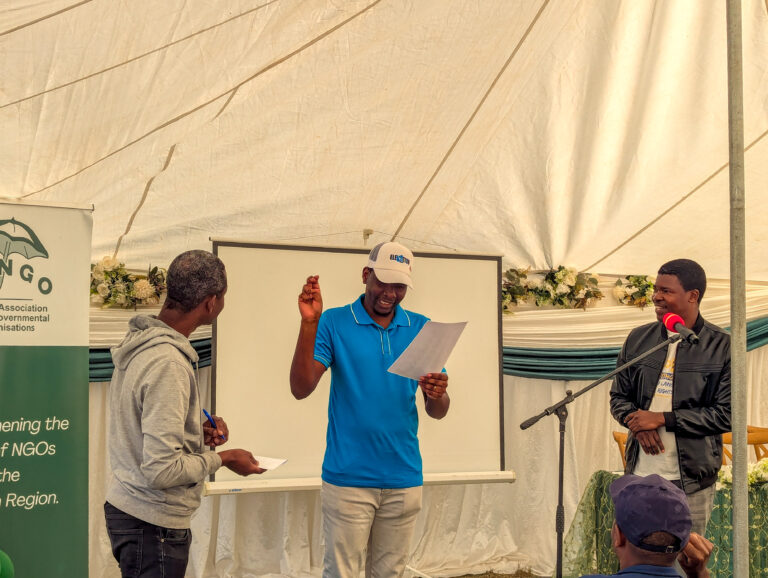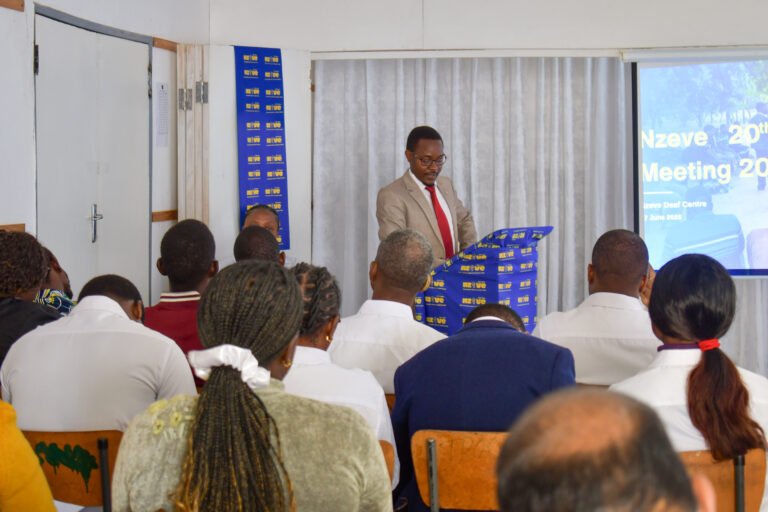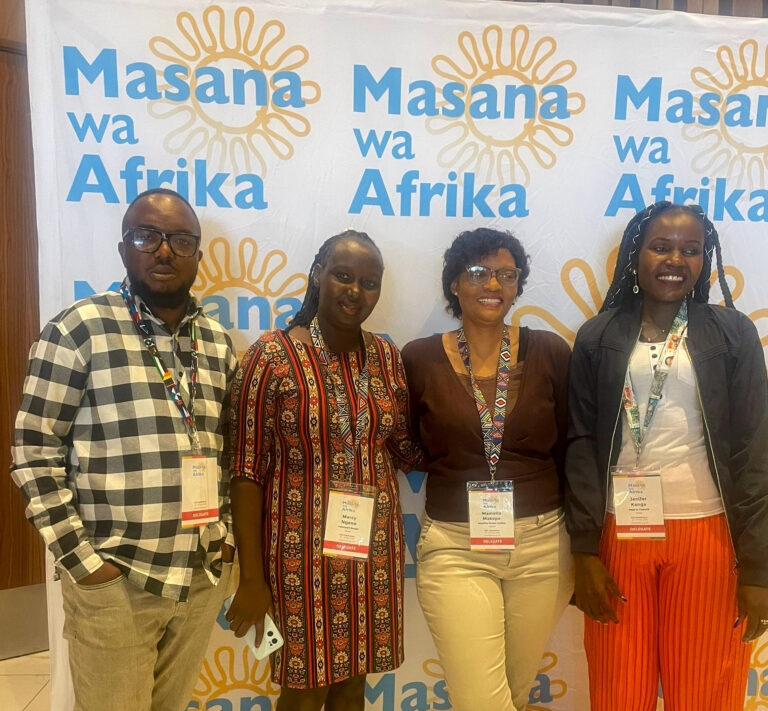


Nzeve provides children with identification services at a young age in the form of comprehensive hearing tests. But what happens after that? Deaf children’s families have a big responsibility to provide their child with the services and support they require. This can sometimes be inaccessible and out of the family’s reach. This point in the Deaf child’s life is so important as it effects their development and growth. Costs of access to appropriate educational services, communication aids, or healthcare is a major worry for families with Deaf members.
“The screening of the hearing ability of newborn babies is crucial.” – A Newz Hook article.
The Problem We’re Facing:
Financial well-being is difficult to come by in rural Zimbabwe. The deficit in social services available to deaf families in Manicaland heightens this hurdle. As a result, intervention between the issues Deaf families face and the services they require is needed.
Accessing these services is essential. The cost of specialized services and equipment are generally above affordability. Furthermore, costs are increased as families need transport from their rural homes to urban areas where these services are. Subsequently, Deaf people aren’t getting the help they need because of the costs, inaccessibility, and stigma of being deaf.
The Solution:
As part of one of its strategic pillars, Nzeve works to provide support for families with Deaf children. By empowering them to create and maintain sustainable financial practices to provide for the needs of their Deaf children. The organization is actively working against constraint, connecting the Deaf people to the services they need in a sustainable way.
“As in many countries, poverty affects the parts of the country outside of cities the most. Of the children that live in these areas, over 70% are impoverished.” – Mariah Thomas, The Borgen Project.
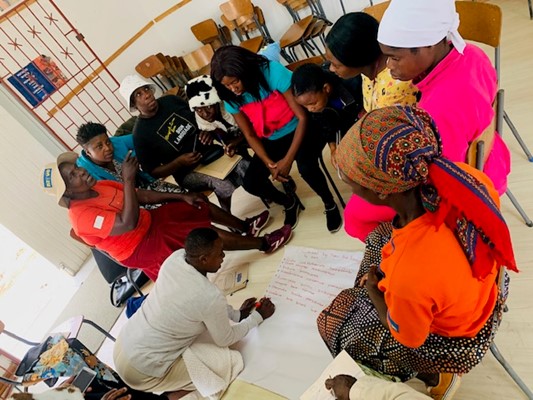
Nzeve has carefully crafted programmes that educate parents and caregivers of Deaf children in business skills to encourage financial independence. In doing so, they are able to support their child autonomously. The idea is to equip the family ‘bread-winners’ with practical skills to build and grow a business, allowing financial stability. By teaching the care givers to start and maintain their own businesses, Nzeve teaches them how to be self-sufficient. They also learn how to effectively support their Deaf children in a way that enables their autonomy and self-confidence.
Throughout the programmes, Nzeve hosts various workshops and comprehensive training programmes. These programmes focus on business skills, such as wise financial management, investment principles, borrowing and lending schemes (ISAL), and more. The care givers gain practical understanding of certain markets and products as well. For example, the production of detergents, Vaseline and other products that foster ideas for potential businesses. The workshops also provides a space for the care givers to share ideas, form connections, and find community support.
“Through its commitment to education, inclusivity, and community engagement, the organisation is empowering individuals, breaking down barriers, and creating a brighter future for all.” – Tanya Chitumbura, project lead.
The programmes assists care givers to navigate through financial difficulties, as well as emphasizes the strength of community-based support systems. This helps eradicate feelings of estrangement and isolation. By interacting with other people in similar situations, the families are encouraged, find friendships, and get the emotional support needed.
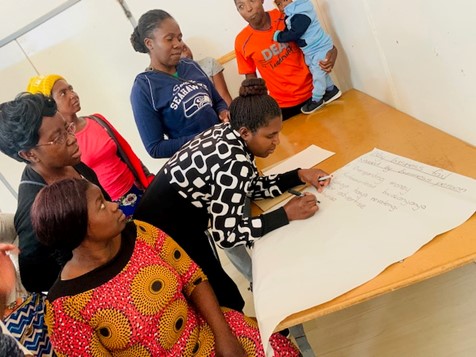
One cannot pour from an empty cup, and as such these training sessions are essential for parents and care givers. To be able to effectively support their family and Deaf children, the parents need all the support they can get. Through this programme, Nzeve also helps the Deaf children in a sustainable, inclusive way that promotes purpose, skillfulness, and resilience. Nzeve also raises awareness of the community’s responsibility to be inclusive toward the Deaf community.
How This Has Impacted families:
“I have acquired the knowledge to start my own detergent production business. With determination and support from Nzeve, I have successfully established my enterprise, generating money for my child.” – A project participant.
As yet, the programme has been successful, and it continues to impact more families across the province. Donor assistance and funding has been catalytic in the success of the programmes. Nzeve thanks all participants for their generosity, and encourages their resilience in their support.
Through the GlobalGiving donations platform a goal has been set to raise funds to support the logistics of the programmes. Continued support from donors is vital to ensure the continuation of these programmes. This is crucial as Nzeve expands its reach to rural areas in Manicaland according to its Strategic Plan.
“The unwavering support from our donors has been instrumental in the success of Nzeve’s initiatives. Together, we are making a tangible difference in the lives of these families, fostering independence, entrepreneurship, and financial well-being.” – Tanya Chitumbura, project lead.
If you would like to assist with this initative, you can access the GlobalGiving donations portal here.